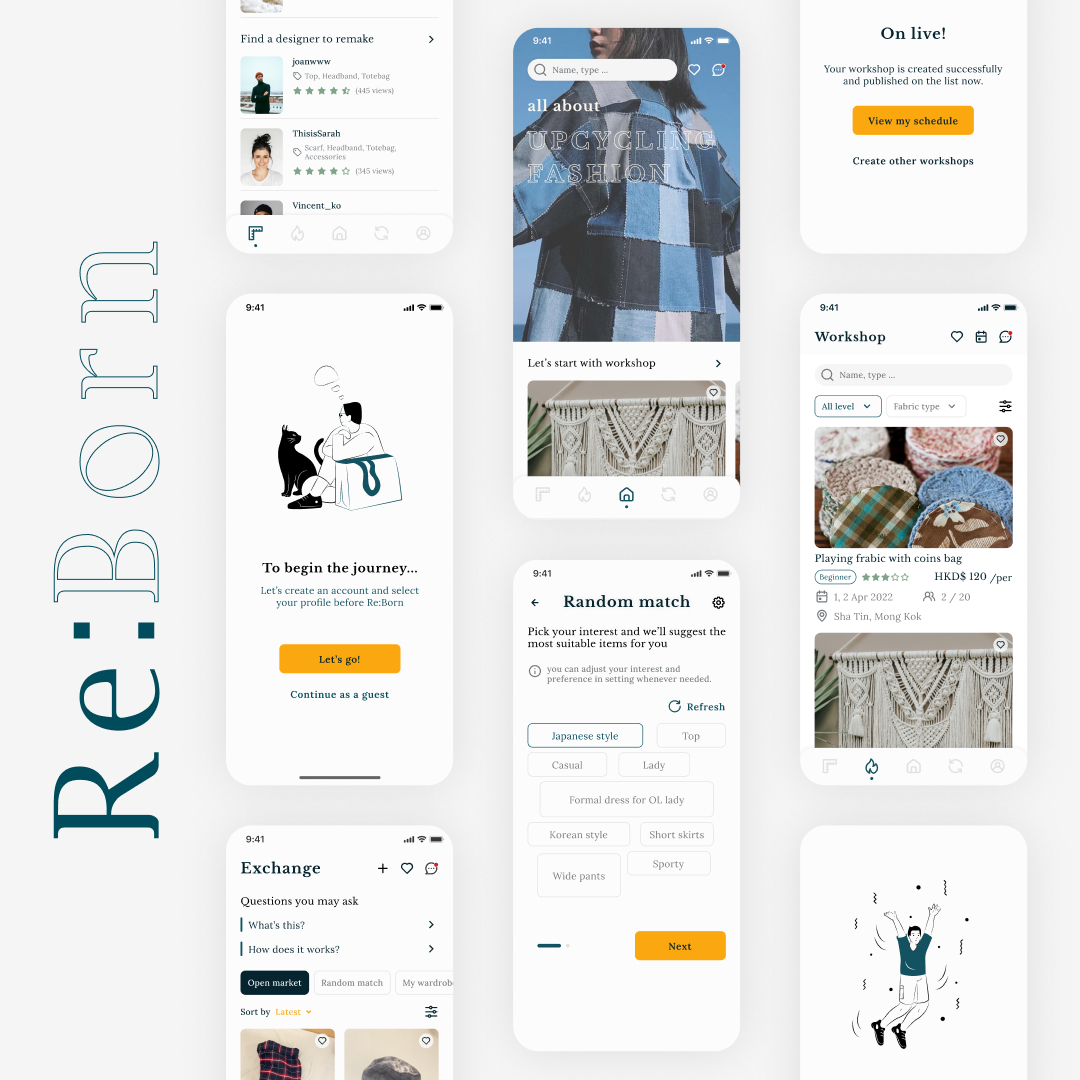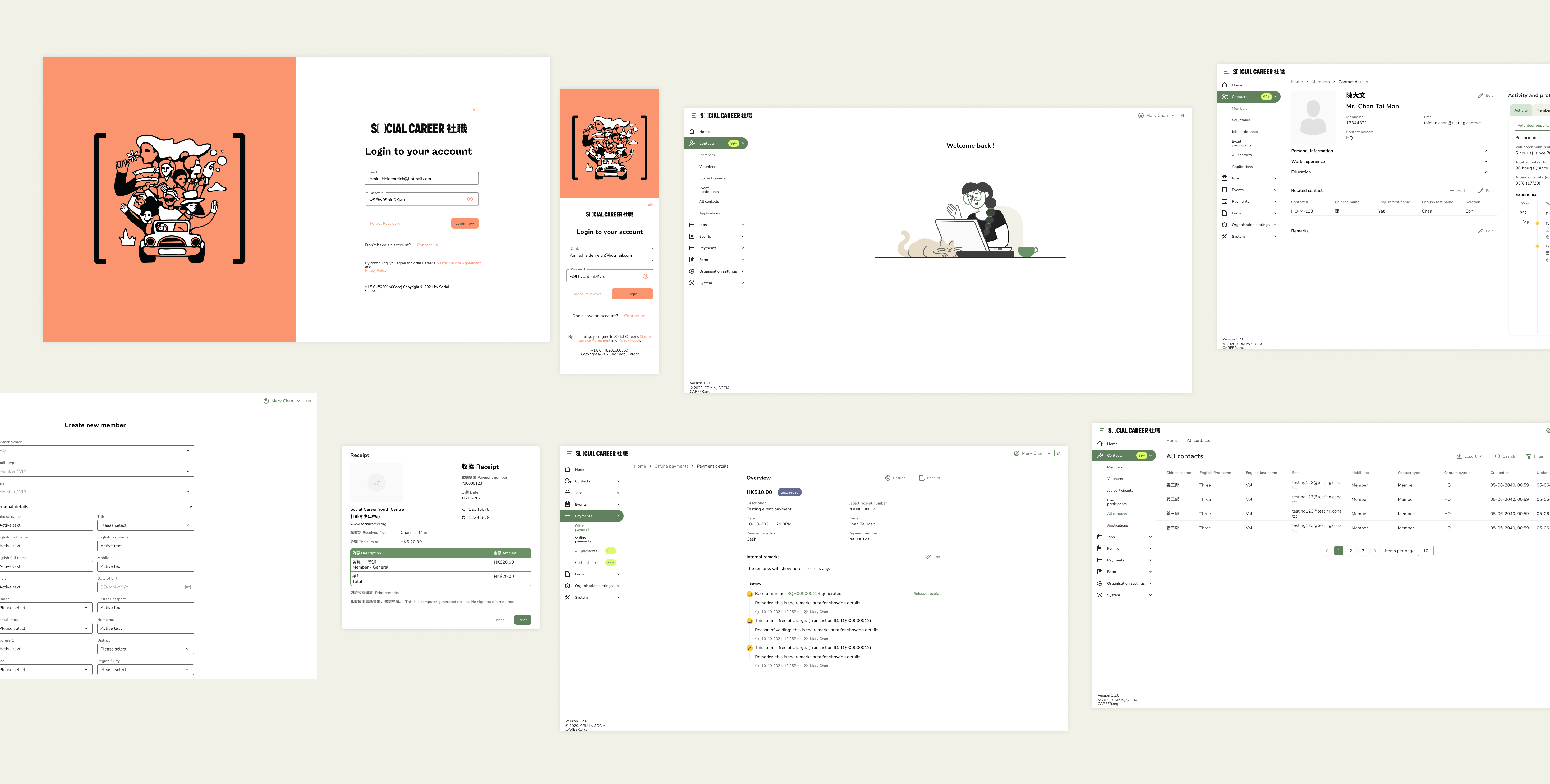
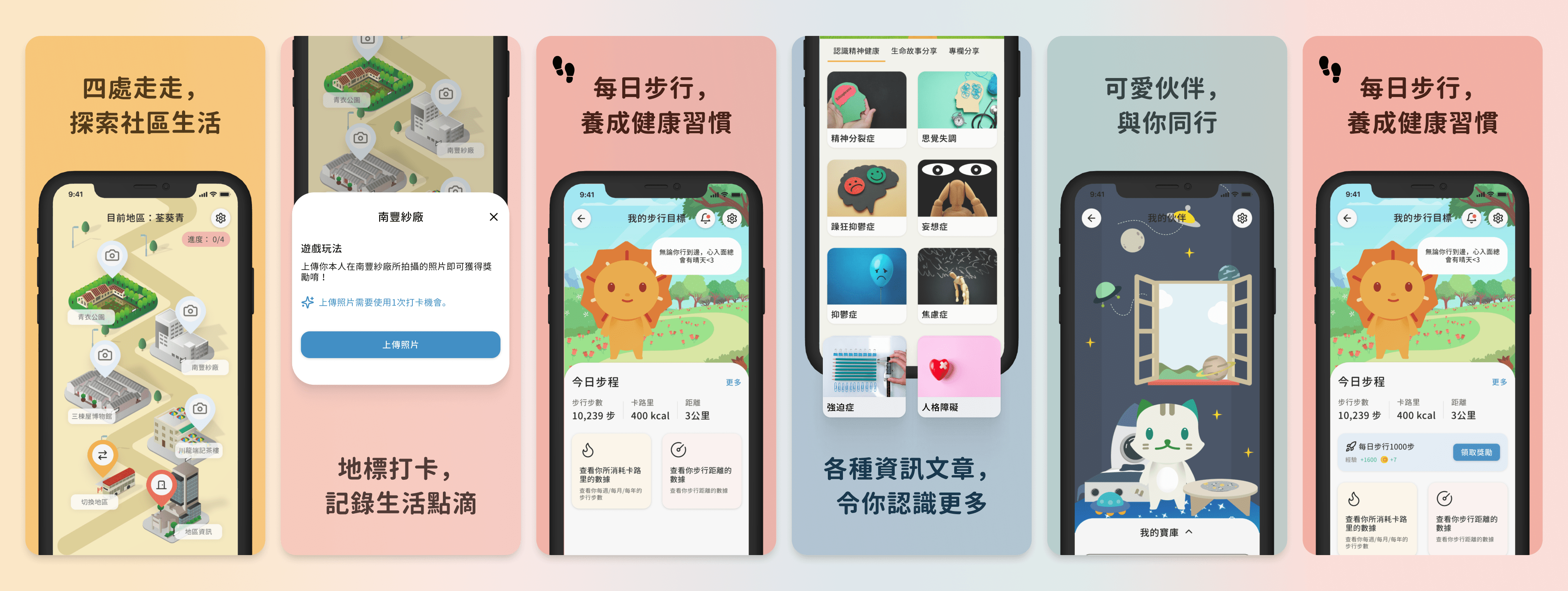
This project is to design a digital space where individuals recovering from mental illness can connect with like-minded peers, explore supportive communities, and access resources to rebuild their social lives in a safe, stigma-free environment.
I was responsible for crafting an intuitive and empathetic user experience, including user research, interaction design, ux writing and prototyping. I collaborated with social workers who specialised in mental health, project manager and developers to ensure the app’s design met the unique needs of the community.
To create a community-based app that:
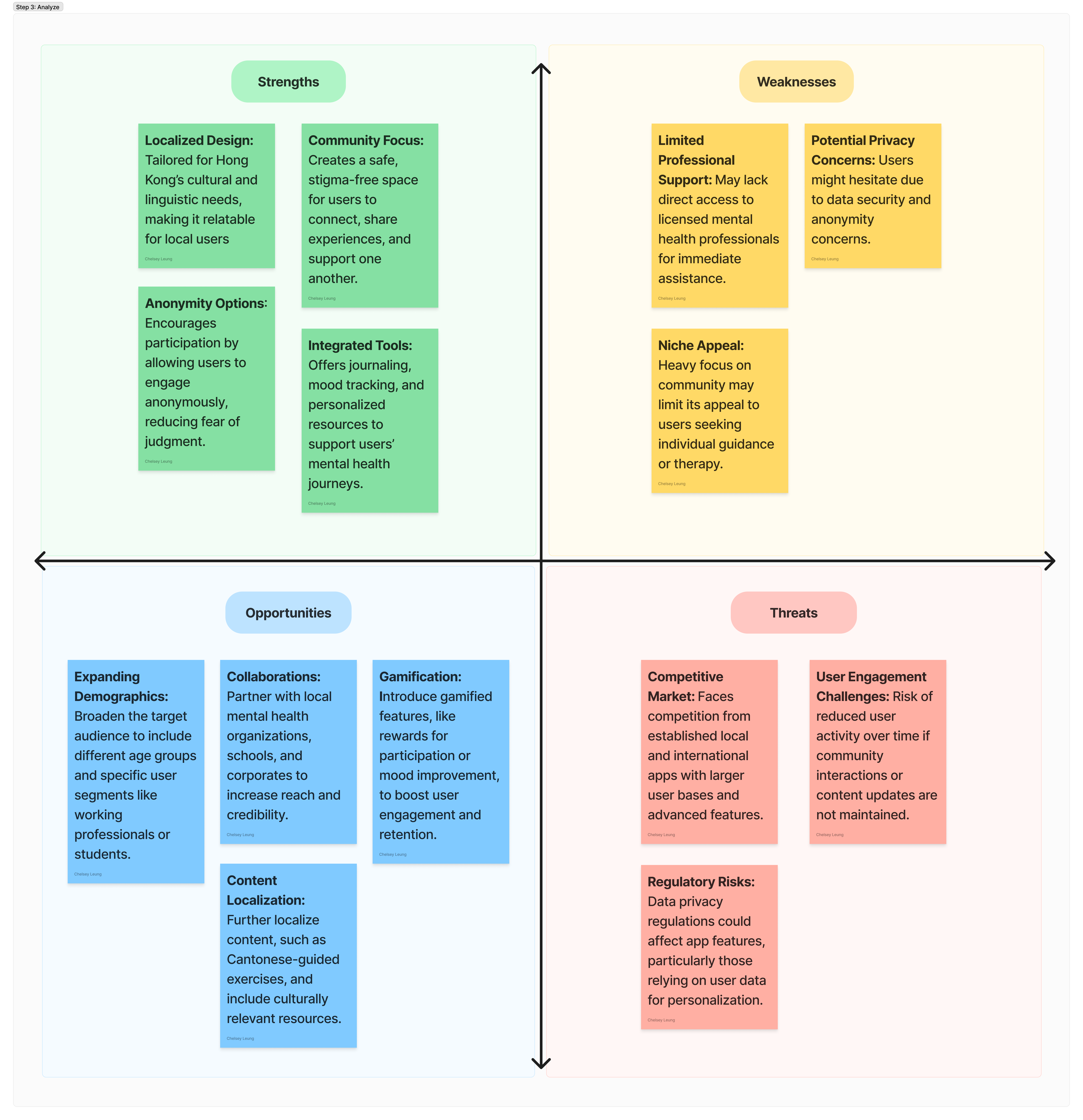


Since our target users are very emotionally sensitive, I needed to pay more attention to the colors and wording of the design to avoid making them uncomfortable. So based on the findings from the earlier research stage and after considering their needs, I made the following design decisions.

I integrated game-like elements throughout the app to create a sense of achievement and progress, making the experience more interactive and enjoyable. This approach transforms mental health management into a more appealing and sustainable practice for our users. By encouraging regular interaction with the app's core functions, it can avoid app abandon and maintain retention rate.

By implementing a clear visual representation of progress, we've enabled users to effectively set and track their personal growth in a positive manner. Users can earn rewards upon reaching specific checkpoints, which I believe will boost their sense of accomplishment and motivate them to maintain their efforts. This approach not only makes tracking mental health progress more engaging but also provides tangible incentives for users to continue their journey towards better well-being.
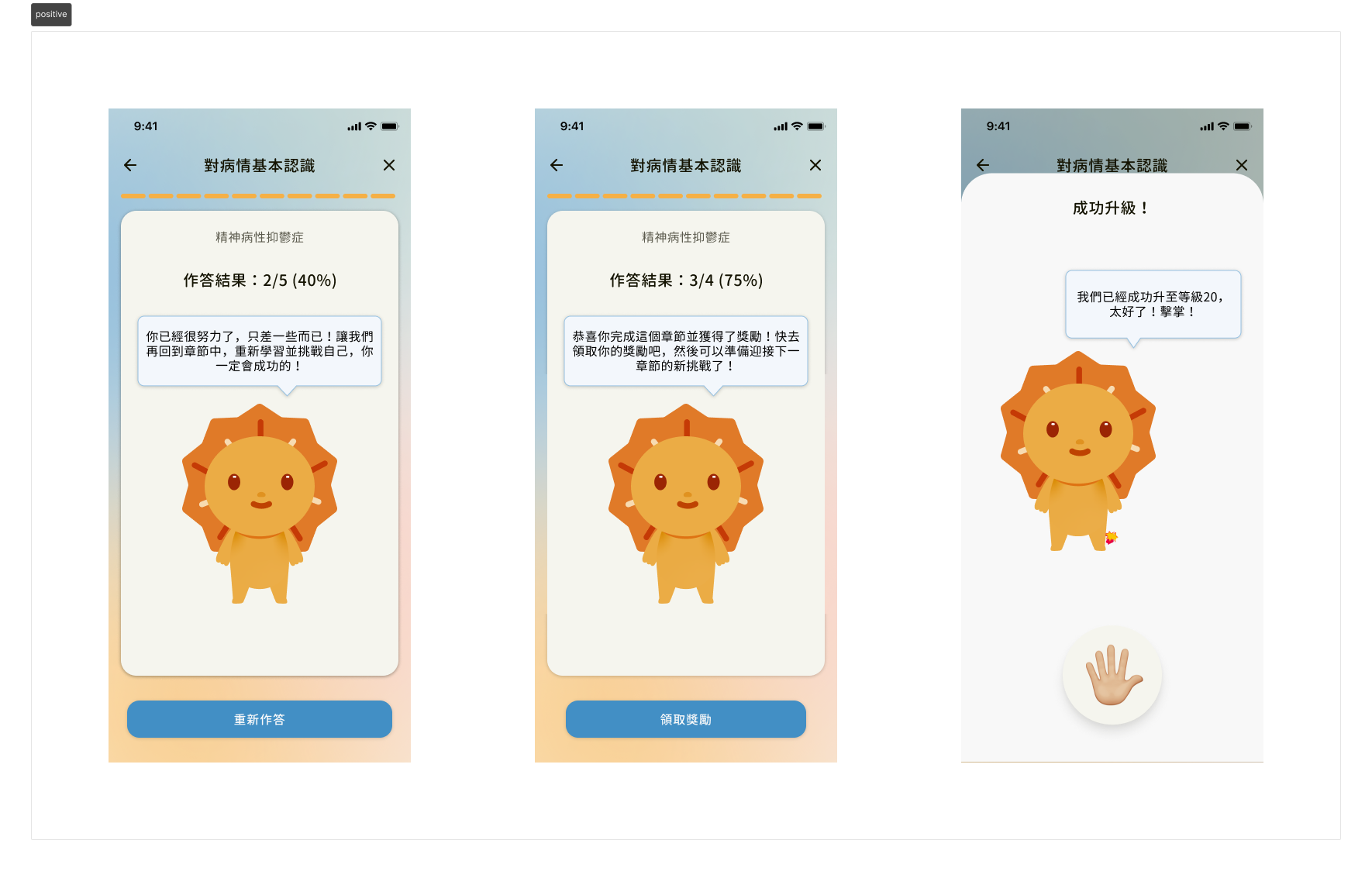

In designing the app's language and tone, I focused on creating a supportive and encouraging environment. By using positive, affirming words and phrases, we aim to provide emotional support to users. The interactive and positive wording not only makes the app experience more enjoyable, but also helps boost their self-esteem. The carefully crafted messages offer gentle encouragement, celebrate small victories, and provide reassurance during challenging times. This positive reinforcement is crucial in helping users build confidence and trust between the user and the app, encouraging long-term use.